
GAY BUDAPEST / ALL YEAR
Gay Budapest between Pride weekends
Budapest Pride brings the movement into the streets for one day in June. The rest of the year, gay and queer Budapest lives in a helpline, legal support, discussion groups, film nights, sport, publishing and archives, and in the people who keep them going.

THE MONTHS BETWEEN
A march can fill the city for one day. Community work has to open its doors the next morning too.
The city has no single queer headquarters
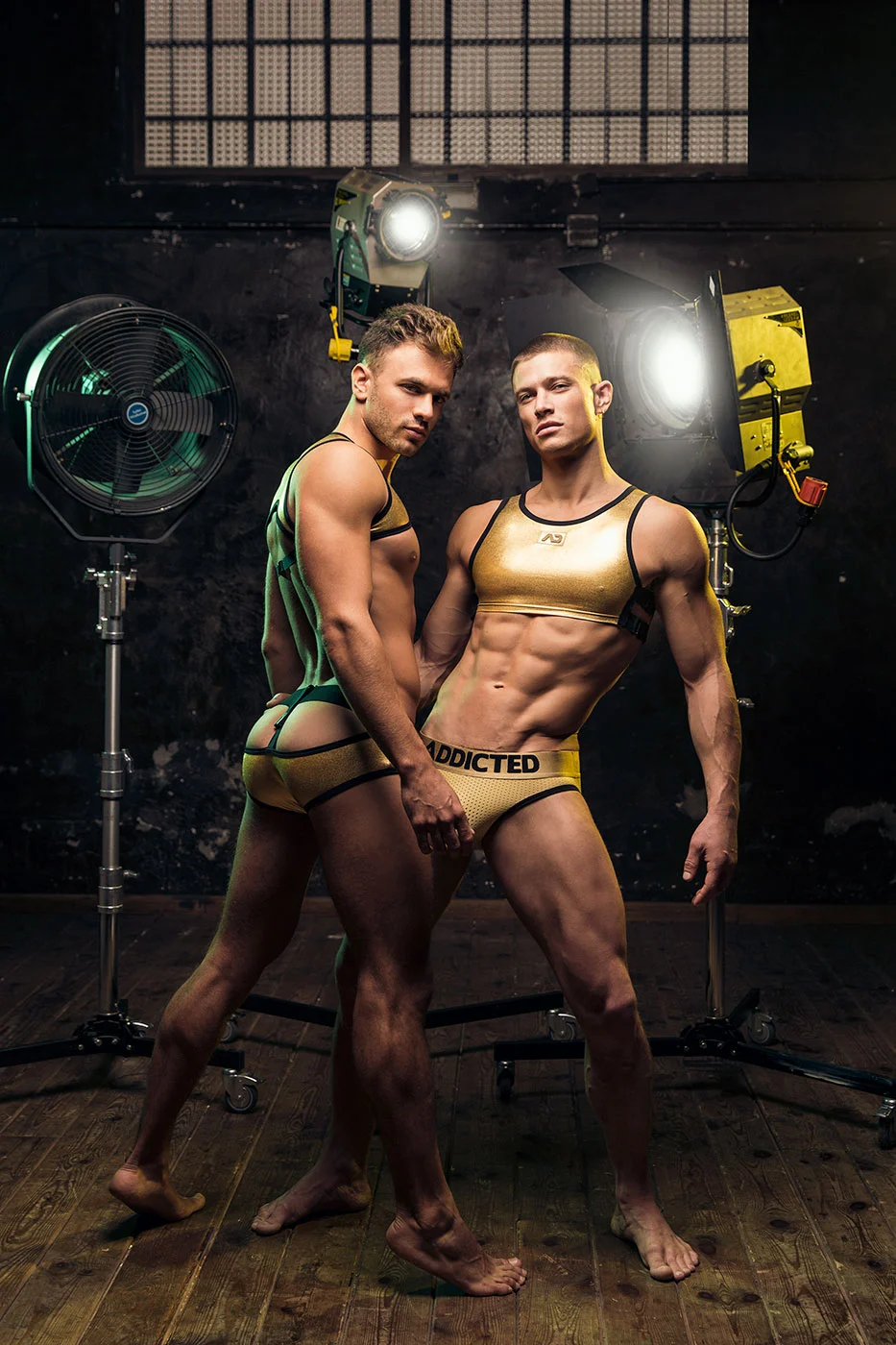
The international image of gay Budapest usually arrives as a summer march, a political headline or a list of gay bars and late-night clubs. The nights have their own pleasures, from the music to the flirting, and getting ready is half the fun, whether that means a sharp shirt or a piece from the ADDICTED party collection. None of it explains the months in between, when people still need a helpline, a lawyer, a film audience or a way into community that does not depend on nightlife.
The city's year-round queer life is spread across organisations with different jobs and constituencies: Háttér Society provides support and legal aid; Budapest Pride coordinates a movement and a festival; Labrisz builds lesbian cultural space; qLit connects publishing with sport and social programmes. Knowing the difference is more useful than collecting old addresses.
Budapest Pride maintains an English news page and festival calendar. Its 2026 calendar carried dozens of June events, although an English listing did not always mean an English-language session. The working language and registration rules were set by each organiser.
Háttér Society's English contact pages separate counselling, legal aid, HIV/STI services and practical social support. Labrisz has English descriptions of its programmes and events, while its current announcements may still be in Hungarian. qLit publishes in English and sends newsletters, though some of its English event information is out of date. Across all of them, the newest dated announcement says more than a general description.
Help before you have the perfect words
Háttér Society has worked nationally since 1995. Its services cover mental health, legal aid, practical social problems, HIV and STI information, community programmes and an archive. Each route answers a different kind of need.
The anonymous Information and Counselling Hotline operates every evening. Volunteers discuss self-acceptance, coming out, family or relationship conflict, discrimination, sexual health and other LGBTQI-related questions. Hungarian is the main language. English help depends on the volunteers on duty; Háttér recommends asking by chat when an English-speaking phone operator can be reached. Email is another option for non-urgent questions.
The personal counselling service offers free supportive conversations rather than psychotherapy, in 50-minute sessions once a week for ten to twelve weeks. English sessions may be available to people living in Hungary, but capacity is limited. New intake was paused over the summer of 2026 and was due to reopen after 30 September. The wait can last four to six months.
Háttér also advises people facing discrimination, harassment or violence related to sexual orientation or gender identity and can provide representation in selected cases. Its English legal guide for foreign nationals is a useful starting point, though it cannot decide an individual case.
None of this makes Budapest uniformly safe. It means there is an experienced organisation to contact when an ordinary problem becomes difficult, frightening or legally significant.
More than the route
The march is Budapest Pride's most visible project, but the organisation also creates a framework in which smaller groups can hold their own events. The 31st Budapest Pride Community Festival ran from 5 to 28 June 2026. Registered organisations were not the only ones invited to propose programmes: informal groups, groups of friends and individuals could take part as organisers.
Each event still needed a venue, communication and a plan for participants. In 2026, Budapest Pride gave organisers a contact person, promoted events, coordinated safety training and supplied house rules and legal guidance.
For an English-speaking visitor, the festival brings many strands of the city into one calendar. It is also when information changes fastest. In 2026, the march set off from the Opera and crossed Elisabeth Bridge to Vérmező, while each smaller event kept its own venue, registration and language rules.
After June, the calendar becomes less centralised. The community does not disappear. It spreads out across the organisations, each with its own rhythm.
A room came before the institution
Labrisz Lesbian Association was officially registered in 1999, but its community history began earlier. In 1996, a small group published a photocopied lesbian paper and organised discussions for its readers. Those monthly gatherings became Labrisz Evenings; ten of the women involved later founded the association.
The story still shapes the programme. Labrisz centres lesbian, bisexual, transgender and queer women, women's culture and feminist community building. Its policy says programmes primarily address LBTQIA women while also welcoming non-binary or gender-neutral people and women who are not LBTQIA. Narrower eligibility is stated per event; respecting it is part of being a good guest.
Labrisz Evenings create room for discussion. Queen of Spades offers a lower-pressure games night. The Gobbi Hilda Film Club, running since 2007, follows lesbian and feminist films with conversation. LIFT brings film, literature, workshops, exhibitions and performance together; after a year off in 2025, the 16th LIFT is set for 13 and 14 November 2026.
Language depends on the event. Labrisz's English pages explain the organisation and its recurring programmes, but a current announcement may be in Hungarian and a discussion may be designed for Hungarian speakers.

Readers become team-mates
qLit is a magazine and community-building project primarily for lesbians living in Hungary, using an asterisk in its own terminology to include women who love women more broadly. Its programmes turn readers into people who meet.
Its formats have included table tennis, pub quizzes, hiking and a women's football cup. At a sports session or quiz, there is already something to do; some formats also let people register alone and be matched with others.
English access varies. qLit's table-tennis information, updated in 2025, explains advance registration through Atlasz, and places are booked session by session. Its English pub-quiz description says the quiz is in Hungarian. Dates, language and capacity go out in the programme newsletter.
qLit and Labrisz overlap in audience but are not duplicates. One grew from a magazine and social formats; the other combines advocacy, cultural memory, publishing and long-established events.
Queer Budapest has an archive of its own
Year-round queer Budapest also lives in old newspapers, photographs, flyers, films and letters. Háttér has collected LGBTQI books, media and movement records since its early years. Its catalogue is searchable online, including English material. The physical archive is not a walk-in library, and visits are arranged in advance.
Labrisz's Herstory Archive focuses on Hungarian lesbian life and the organisation's history. Its digital Censorship Museum uses documents, images and recordings to explore twenty-five years of community experience and censorship.
These archives place the march and today's discussion groups inside a longer history written and saved by queer people themselves.

Turning up with the right expectations
No single district or weekend works for everyone. During the festival, Pride's English calendar lists the most. The rest of the year, Háttér's English pages cover support, Labrisz's event notices spell out audience and format, and qLit's newsletter carries its community programmes.
Old venues do not always stay active, annual programmes do not always return on the same weekend, and outdoor or politically sensitive events can change on the day itself. The address, age limit, audience, language, registration, accessibility, tickets and house rules are what decide whether an evening works.
None of this is a warning to stay away. Budapest's queer life rewards attention: not every door is open to everyone, but behind the right one may be a helpline shift, a discussion, a game, a film or a box of history somebody has kept safe for years.
The useful map is made of people, not old pins.
Behind every part of gay Budapest there is an organisation, and behind every organisation, people who keep it going.