GAY SOFIA / COMMUNITY AND CULTURE
Gay Sofia between the marches
Pride brings thousands into the centre of Sofia. The harder work, and a good share of the fun, happens on the other days, in legal consultations, support groups, film screenings, archives and a community centre that had to be rebuilt.
BETWEEN TWO MARCHES
A city becomes a community through what people keep doing after the stage comes down.
The work that makes gay Sofia visible
Sofia Pride 2026 began on 13 June with a concert in Knyazheska Garden and marched along the capital’s boulevards under the banner “Different Together”. The night ended at the official after party in Toplocentrala, the arts centre in the former heating plant of the National Palace of Culture, billed from 10pm until 6am. On a day like that, gay Sofia is impossible to miss, on streets where the right to appear openly has never been a minor question. Held every year since 2008, the march has grown from around a hundred people into what its organisers define as the largest event for equality and human rights in Bulgaria.
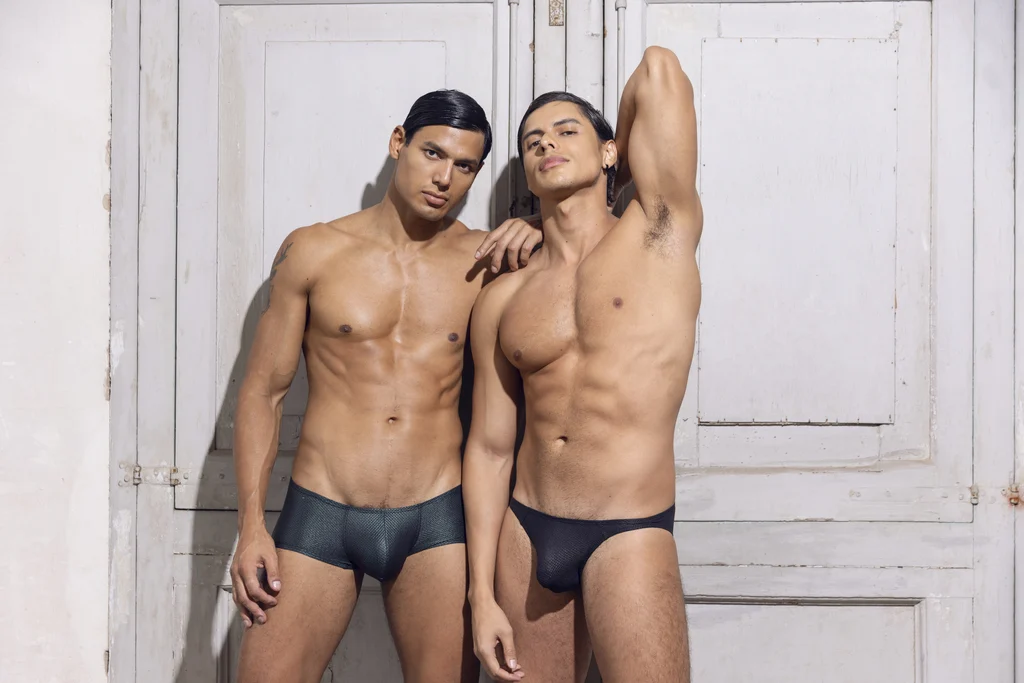
But no city becomes a community through one afternoon of visibility, or one night on the dance floor in something from the ADDICTED party collection. The more revealing story begins when people return to the ordinary business of living: finding a lawyer who understands a same-sex family, talking to someone after coming out, meeting other trans people without explaining every part of themselves, or seeing a Bulgarian queer past presented as history rather than rumour.
Sofia’s queer infrastructure has been built through those repeated acts. Bilitis grew from a self-support group formed by lesbian and bisexual women. Deystvie combines legal work, mental-health support and community organising. GLAS has worked through public campaigns, culture and the shared management of Rainbow Hub. Together with artists, lawyers and volunteers, they have made the city’s queer life more durable than any single event.
That durability has been tested.
The room that came back
Rainbow Hub opened in Sofia in March 2018 as Bulgaria’s first LGBTI community centre. Created through cooperation between Bilitis, GLAS and Deystvie, it gave the community something campaigns alone could not provide: a physical place for information, support, meetings and organising.
A room changes a community. People no longer have to assemble only for a protest or a crisis. A youth group can meet again the following month. Parents can ask questions. Trans people can build a strategy together rather than encounter one another only through public debate. Familiarity accumulates, and with it the trust required for political work.
On 30 October 2021, a group entered Rainbow Hub during a trans community meeting. The centre was vandalised, equipment and furniture were destroyed, and a Bilitis staff member was struck. By the end of that year, the building’s owners had forced the centre out.
The response was not limited to condemnation. Bilitis reported that more than 30,000 Bulgarian leva were raised within five days, alongside emergency support for legal aid, mental health, repairs and security. Temporary arrangements kept parts of the work alive. In December 2023, Rainbow Hub opened at a rebuilt location after GLAS and the Organization of the Jews in Bulgaria “Shalom” made a long-term property arrangement possible.
The legal aftermath was less straightforward. The Supreme Court of Cassation returned the criminal case for a new hearing in 2024; Bulgarian court reporting recorded an acquittal in the renewed proceedings in March 2026. The most important fact is not that the community proved invulnerable. It did not. It is that a shared room was rebuilt because the work inside it remained necessary.

Care is a form of public life
Bilitis’s 2024 account described a varied programme of self-support and community activity at the renewed Hub. BraveLab worked with LGBTIQ young people. TransMission created space for trans people to meet, support one another and shape activist priorities. A broader queer support group used conversation, art and informal social formats to bring people together. QueerHiking took connection beyond the meeting room.
The names and schedules can change. Their purpose is more stable: to turn isolation into contact. That is particularly important in a country where the 2024 school-law amendment restricts discussion of what it calls non-traditional sexual orientation and gender identity different from biological sex. For queer young people, a supportive adult, peer group or confidential conversation is not an abstract cultural benefit.
Other organisations carry parts of that care. Deystvie’s programmes include legal assistance and mental-health support. Single Step offers psychological, health and career resources for LGBTI young people, as well as an anonymous online support chat. It also runs The Steps, a bistro, co-working space and event hall whose profits go back into supporting the LGBTI community. Support of this kind is different from nightlife and different from Pride, yet it makes both public confidence and private survival more possible.
The law enters everyday life
For many queer people in Sofia, legal inequality appears through ordinary decisions rather than courtroom language: who can be recognised as family, who can act in an emergency, what happens to a shared home, or whether a child’s relationship with both parents is acknowledged.
Deystvie has made strategic litigation part of the city’s community infrastructure. Its legal team supported the two women behind Koilova and Babulkova v. Bulgaria after Sofia authorities refused to register the marriage they had legally contracted in the United Kingdom. In September 2023, the European Court of Human Rights ruled that Bulgaria’s complete absence of recognition and protection for same-sex couples violated their right to respect for private and family life.
The judgment did not instantly produce a Bulgarian legal framework. In June 2026, Deystvie stated that no legislation had been initiated to provide that recognition. The organisation’s work therefore moves between individual cases and a larger demand: the person who needs help now cannot wait for the political system to become ready.
This is why legal support belongs in the same story as the community centre and the march. Pride makes inequality publicly visible. Litigation translates a family’s experience into an enforceable question. A consultation deals with the immediate document, refusal or act of discrimination. Each works at a different speed.
Cinema creates an audience, not just a screening
The Sofia Pride Film Fest held its fifteenth edition from 2 to 12 June 2026 at Dom na Kinoto (the Cinema House) and the French Institute, under the slogan “You Are the Hero”. Eight features and eleven shorts competed for the audience awards, the Spanish film Maspalomas among them. Organised by Deystvie, the festival identifies itself as Bulgaria’s only LGBTIQ film festival, and it pairs films with discussion, so that experiences often flattened into political slogans can be met as lives, relationships and artistic choices.
That public presence has also been contested. The festival says its screenings have faced verbal and at times physical disruption since 2019. In 2023, Sofia Pride condemned the violent sabotage of a screening of the Belgian film Close. Continuing to show films under those conditions protects the possibility of watching and discussing queer work in public.
GLAS has similarly used contemporary art as a form of visibility. Sofia Pride Arts developed from an art week into a broader programme spanning performance, dance, photography, theatre and visual art. The Sofia Queer Forum took a more explicitly critical route. Founded in 2012, it examined gender and sexuality alongside family, labour, political memory and post-socialist life. Its 2020 project on Bulgarian drag history gathered personal archives and testimony from performers, especially around the culture of the 1990s.
These programmes move at different rhythms, but they have helped make queer life something that can be reviewed, debated, remembered and criticised, not only defended.

A city recovers its queer past
Queer Sofia extends that work through history. Its online platform brings together a digital library, a queer map of the capital, interviews and Queer Archives Bulgaria, an open repository built to preserve lives omitted from conventional accounts.
The project’s first queer history walk took place in February 2024. Its importance was not that it revealed a hidden entertainment guide. It connected familiar parts of Sofia to people whose relationships, art and public lives had been edited out of the city’s story. The archive includes artists, writers, performers and couples across different periods, while remaining clear that the record is incomplete and open to community contributions.
One research story follows the opera singer Hristina Morfova and the Czech pianist Ludmila Prokopová, tracing their shared life through libraries, biographies, photographs, former addresses and the grave where the two women are buried together. Another strand preserves memories of Bulgarian drag and gay cultural life after 1989. Such work does not force modern labels onto every person in the past. It asks why some relationships and forms of gender expression were made difficult to name.
An archive changes the balance between hostility and belonging. Political rhetoric can describe queer people as new, foreign or imposed. A city’s own documents, images and recollections make that claim harder to sustain. The community did not arrive with the latest Pride banner. It was already singing, writing, performing, loving and finding one another.
What holds between two public moments
Sofia should not be reduced to either a rainbow success story or a warning. Both versions flatten the people who live there. A large Pride can coexist with legal non-recognition, hostile legislation, attacked cultural events and the need for confidential support. A community can be under pressure and still produce art, win cases, preserve memory and care for its members.
What holds the city together between two marches is not constant visibility. It is repetition: the next support-group meeting, legal submission, film discussion, object added to an archive, volunteer who learns how to help. These acts are less spectacular than a crowd in the centre of Sofia. They are also the reason the crowd can return.
The march is visible because the work continues.
Sofia’s queer life is held together by rooms, services, culture, legal strategy and memory. None is a substitute for equal law. Together they make a community harder to isolate or erase.
Queer Bulgaria, from the Sofia Pride crowd to the Black Sea →