PRAGUE / COMMUNITY AND CIVIC LIFE
Gay Prague beyond Pride week, and the network that runs all year
Prague's rainbow parade is the most visible moment in the city's queer calendar. The quieter work happens in counselling chats, classrooms, community rooms, cinemas and public debates that continue after the flags come down.
THE THURSDAY VERSION
The parade is what everyone sees. The network keeps it alive through the rest of the year.
A room behind a marked gate
On an ordinary Thursday afternoon, Prague Pride looks nothing like the parade that fills the city centre each August.
Behind a marked gate on Železná Street, a few minutes from Old Town Square, its LGBT+ Community Centre opens for the evening. Inside, there is a queer library, a small clubhouse, board games, a make-up corner and space for discussions, workshops and support groups. Visitors can arrive with a plan or without one. Some come to borrow a book. Others want company, advice or a room in which they do not have to account for who they are.
This modest weekly routine says something important about queer life in Prague. The city's reputation is built around a large and confident Pride festival, but its community has spent years constructing what happens between festivals: places to meet, people to talk to and practical routes through problems that celebration alone cannot solve.
Prague's gay bars, cafés and clubs stretch from the Old Town to Vinohrady, and the cultural calendar is busy, but a list of venues misses the point. The deeper change is institutional. What began as an annual parade has grown into a civic network.
The Thursday version of Pride
Prague Pride was founded in 2010, and the first parade crossed the city the following year. The organisation now describes itself as the largest LGBTQ+ organisation in the Czech Republic. Its work ranges from the August festival to youth programmes, legal advice, teacher training, support for rainbow families and workplace equality.
The community centre makes this expansion tangible. Its programme is deliberately mixed. A visitor might encounter a book club, a screening, a workshop, a support meeting or an exhibition. Teenspace runs twice a month for LGBTQIA+ people aged 13 to 21. An English-speaking support group offers a regular meeting point for queer people living in Prague who may not yet have a local network. The centre also gives community projects space to organise their own events.
These activities are small in scale compared with a city-centre parade. That is part of their value. A young person attending a group for the first time does not need an audience. Someone struggling with coming out may need privacy before visibility. A recent arrival in Prague may be looking for conversation rather than nightlife.
During July and August 2026, the Železná Street centre closed for its scheduled summer break while the organisation turned its attention to the festival. The address fell quiet, and the work moved into public space.
Some of the most important doors are online
Some of Prague Pride's most consequential services do not depend on being in the capital at all.
The online counselling service sbarvouven.cz has operated since 2015. It uses peer-to-peer mentoring, allowing people to speak discreetly with mentors who have personal experience of coming out, questions around orientation or gender identity, family acceptance and related concerns. Prague Pride says the service now supports hundreds of people each year, many of them under 25.
That reach matters in a country where queer public life is heavily concentrated in larger cities. A teenager in a smaller town may be able to open an anonymous chat long before they could travel to a community centre. Support groups connected to the project also operate outside Prague, while the Qalendar platform collects queer events from across the Czech Republic rather than treating the capital as the whole scene.
Prague Pride's free legal counselling addresses another kind of distance: the gap between a generally tolerant reputation and the complicated decisions queer people still face. Advisers help with discrimination, partnerships, rainbow families and the recognition of relationships or adoptions completed abroad. These are questions about housing, children, inheritance and legal security. They are also a reminder that acceptance is difficult to measure until it is tested by paperwork.
When culture becomes part of the infrastructure
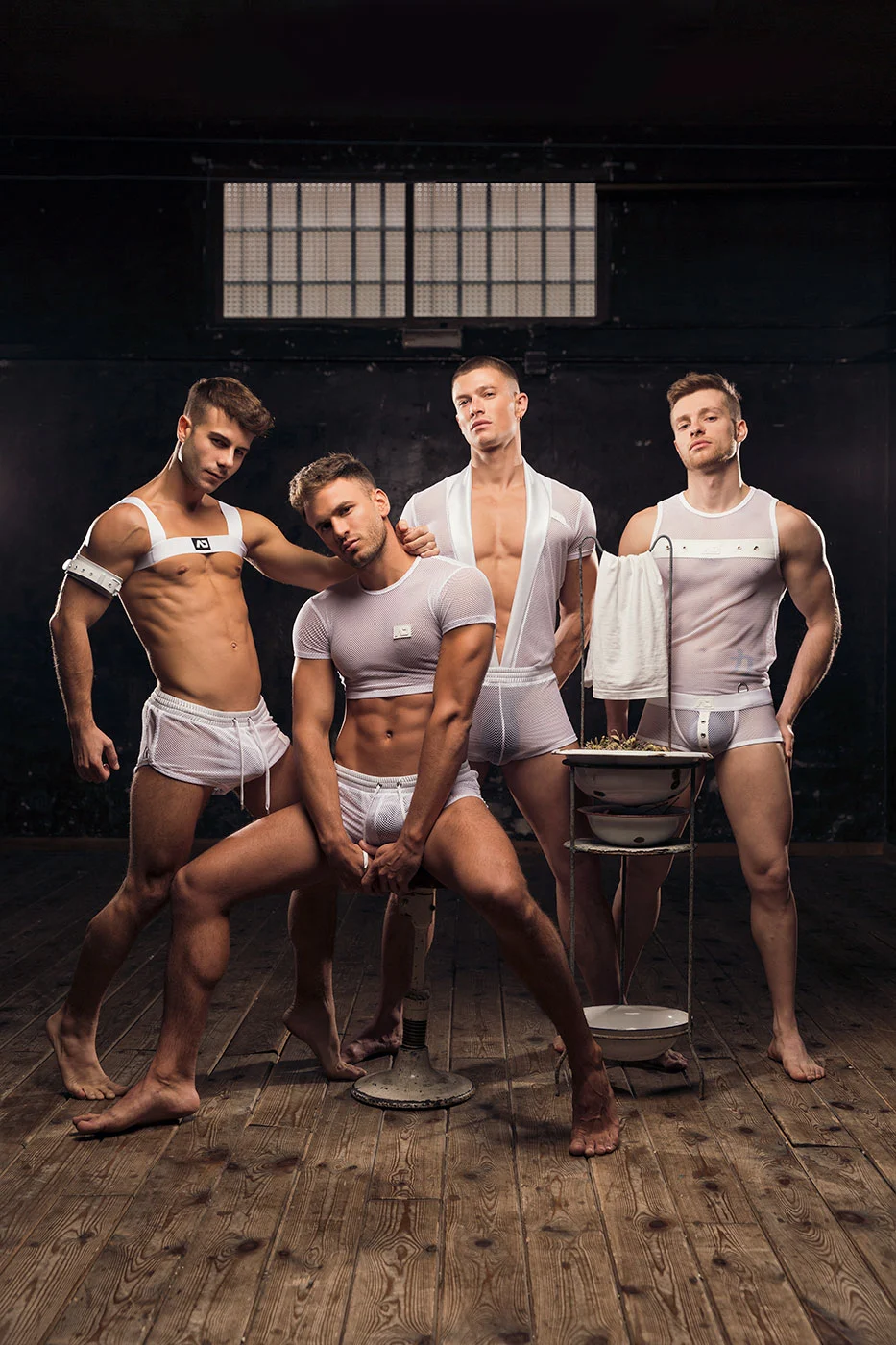
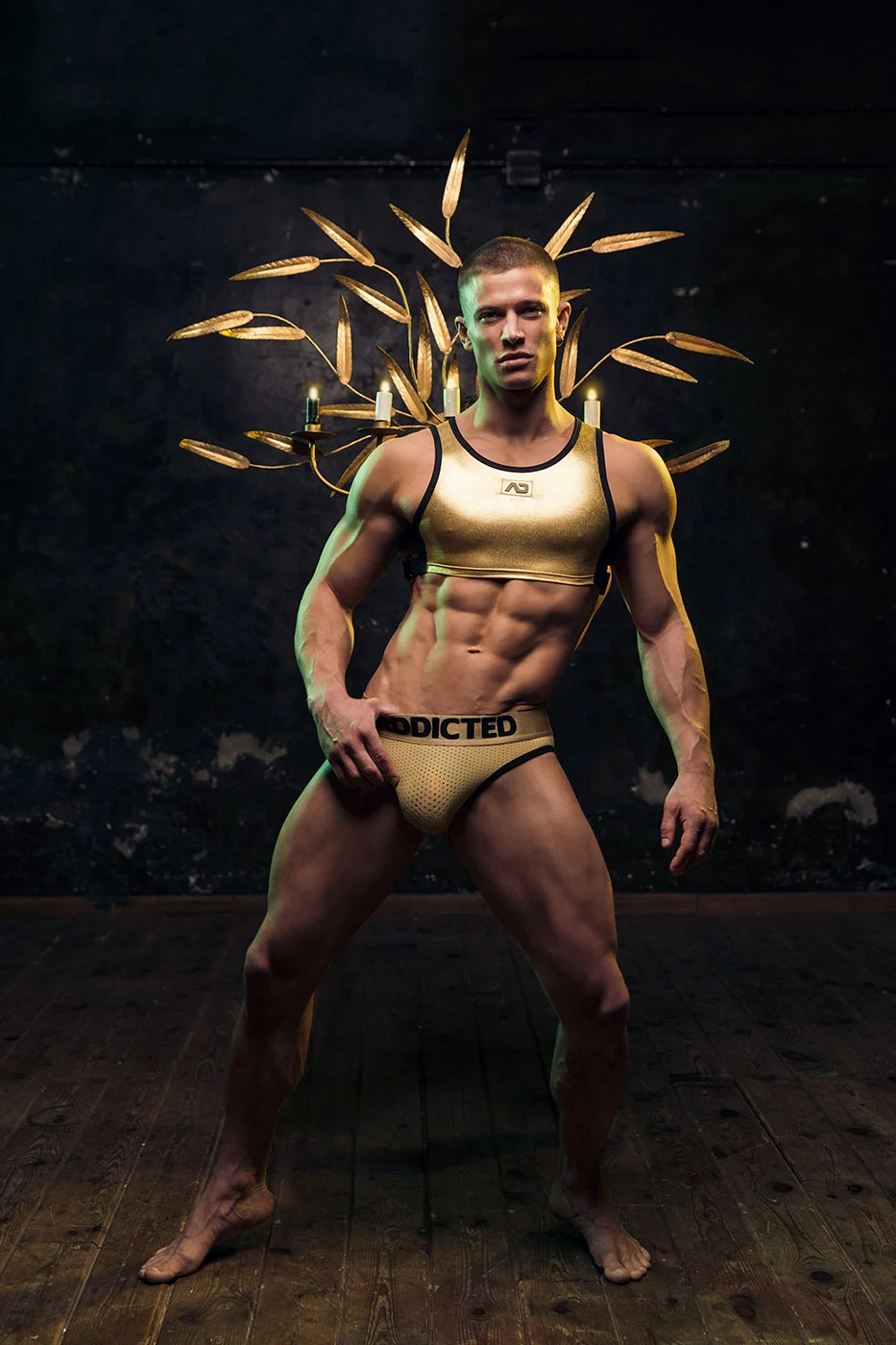
Queer culture in Prague does not sit neatly on one side of a line between entertainment and activism. A film screening can provide a first encounter with an experience absent from school. A performance can recover history that was never recorded properly. A party can offer relief from the pressure of remaining alert in everyday life, and getting ready is half the pleasure, whether the outfit comes from the back of the wardrobe or the ADDICTED party collection.
Mezipatra has helped build that cultural space for more than two decades. The queer film festival presents Czech and international work in Prague and Brno, accompanied by discussions, workshops and exhibitions. It also runs screenings during the year and distributes LGBTQ+ films to Czech cinemas through Queer Kino. Its 27th edition is officially scheduled for 5–12 November 2026 in Prague, followed by 13–20 November in Brno.
During Prague Pride week in 2026, the French Institute became Pride House, a temporary forum for discussion rather than a club or concert venue. The official programme placed debates about marriage, the new conditions for legal gender recognition, queer history under socialism, public harassment, disability and Central European politics in the same building.
That range was significant. It treated queer culture as a way of thinking in public, not as decoration attached to a summer event. Visitors could move from a discussion about law to a film, a performance or a conversation in the courtyard. The programme asked its audience to listen, disagree and remain in the room.
In 2026, the parade changed direction
The 2026 Prague Pride Festival ran from 3 to 9 August under the theme “Times Are Changing”. The organisers presented change as something that can be fought for, welcomed, feared or imposed. It was a broad subject, but the programme gave it concrete forms: shifting language between generations, new rules affecting trans people, political pressure across Central Europe and changing ideas of family and community.
The parade took place on Saturday 8 August. The official plan had participants gathering in the lower part of Wenceslas Square from 11 a.m. and setting off at noon, and the march reached Štvanice Island at around 2.30 p.m. The new route crossed Na Příkopě, Celetná and Old Town Square, continued along Pařížská and the river embankments, then went over Hlávka Bridge to the island. By the organisers' count, around 45,000 people took part, about as many as in 2025.
The destination was new as well. After thirteen years at Letná, Pride Park moved to Štvanice. The organisers had cited the island's shade, grass, accessibility and room for quieter areas as practical advantages over the exposed Letná plain, and at around 9 p.m. thousands of people were still there.
The move changed the rhythm of the day. The march began in one of Prague's most politically charged public spaces, passed through the ceremonial heart of the city and ended on an island associated with sport, clubs and independent culture. It made queer presence visible across several versions of Prague rather than containing it in a single district.
Even so, the parade was one day. The organisers counted 95,000 visitors across the festival week, and the next parade is already set for Saturday 7 August 2027. Numbers like these only make sense beside the smaller forms of work that support them.
Confidence does not mean full equality
Prague often appears comfortable with queer visibility. Rainbow flags fly from public buildings during Pride, city representatives give the festival their patronage, and large cultural institutions take part in its programme. This atmosphere is real, but it is not the same as full legal equality.
Since 1 January 2025, same-sex couples in Czechia can enter a partnership under the Civil Code with rights including joint property and survivor's pensions. The reform improved the previous registered-partnership system, but it did not introduce marriage equality or joint adoption.
Legal gender recognition has also changed. Following court decisions, a Czech Ministry of Health methodology effective from July 2025 removed the requirement for surgery and hormone treatment. The procedure still falls short of self-determination. ILGA-Europe's 2026 country assessment gave Czechia 41.72 per cent and continued to recommend marriage equality, equal access to assisted reproduction and further reform of gender recognition.
Public attitudes are similarly mixed. A CVVM survey conducted in March and April 2026 found that 70 per cent supported partnership rights for gay and lesbian couples and 68 per cent supported adoption of a partner's child. At the same time, only 16 per cent supported legal gender recognition based on self-declaration. The survey also found that a majority expected some degree of difficulty for a person after coming out.
Prague's confidence therefore exists alongside unfinished law and uneven acceptance. The city is neither a queer paradise detached from its country nor a façade hiding universal hostility. It is a place where progress, hesitation and argument remain visible at the same time.
The work continues when the week ends
A successful Pride can fill streets. It cannot answer a teenager's message at night, advise a family or keep queer films in circulation through the winter. Those jobs require organisations, trained people, funding and spaces whose doors open on unremarkable weekdays.
Prague Pride's development from a festival committee into a year-round organisation is one of the defining stories of queer Prague. It does not represent every community or produce the entire cultural scene. Mezipatra, independent artists, activists, venues and informal groups have their own histories and priorities. The city's resilience comes from this plurality.
In August, queer Prague becomes impossible to overlook. During the rest of the year, it is held together differently: through a mentor replying in a secure chat, a lawyer explaining a family's options, a youth group meeting after school, a film reaching a regional cinema and a community centre buzzing someone through the gate.
The network outlives the spectacle.
Prague Pride week makes the city visible. Counselling, culture, youth work and community rooms make that visibility useful through the rest of the year.