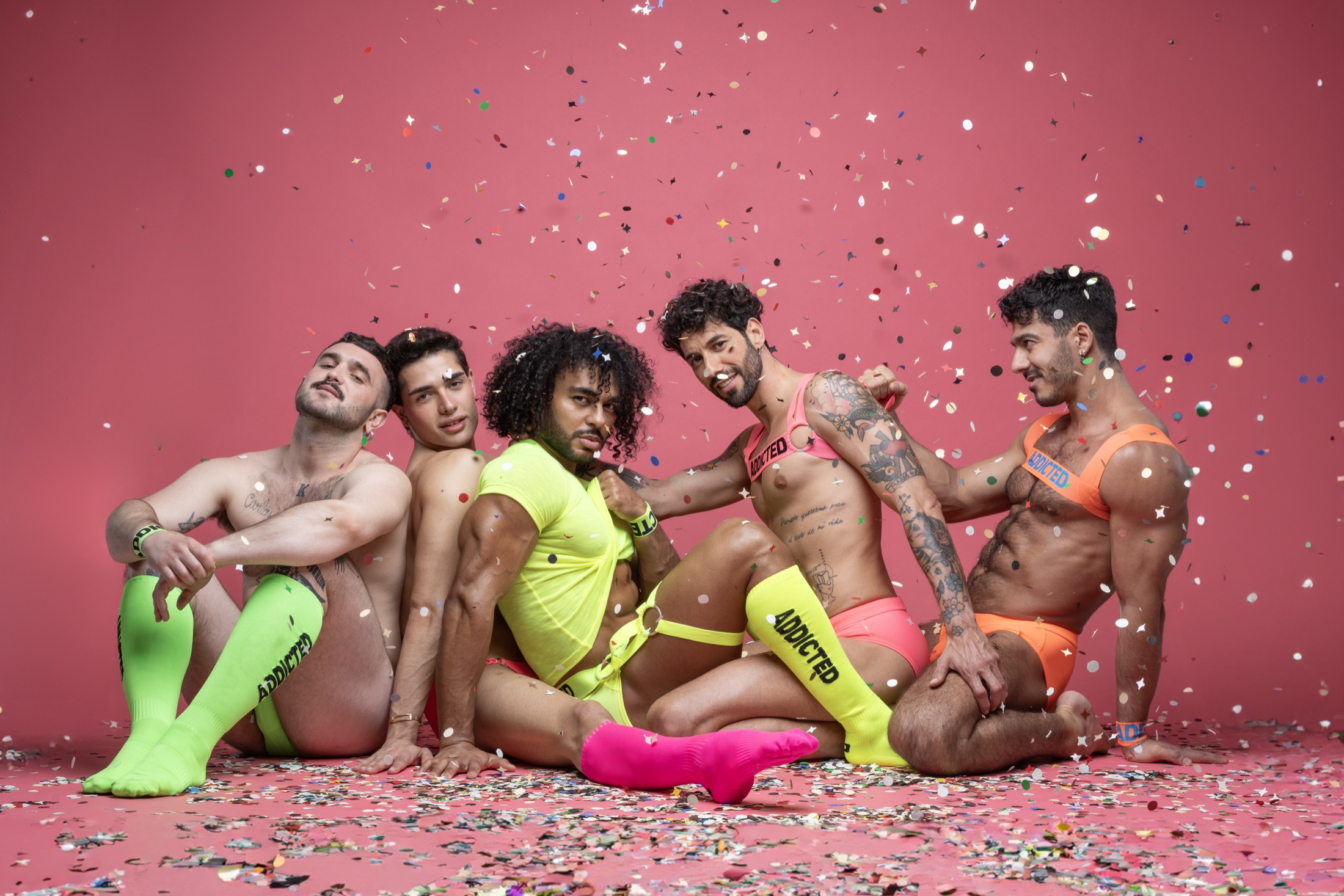
Five ADDICTED models in neon Pride looks against a coral backdrop
Colour that outlasts the parade

PRAGUE PRIDE 2026 / CZECHIA

Prague Pride 2026 filled the streets. Equality is still unfinished.

Tens of thousands marched with Prague Pride on Saturday 8 August 2026. Since 2025, same-sex couples have gained a stronger legal partnership, trans people can change their documents without surgery, and sexual-orientation bias is named more clearly in criminal law. Each reform matters. Each also stops at a visible line.

What changed in the law ↓

QUEER CZECHIA / THE LAW

Progress is real when it changes ordinary life.

A legal reform becomes tangible when a couple can hold property together, when a surviving partner receives a pension, when a parent is recognised on paper, or when an identity document no longer requires surgery first.

Czechia changed all of those things in a short period. It did not introduce marriage equality, joint adoption or self-determined legal gender recognition. The honest story of queer Czechia is neither a victory lap nor a catalogue of failure. It is about rights gained, boundaries left in place, and the people who keep working between them.

A stronger partnership

The new civil partnership gives same-sex couples rights including joint property, first-class inheritance, a common surname and survivor's pension. One partner can adopt the other's biological child.

It is not marriage. The couple still cannot jointly adopt a child who is biologically related to neither partner.

Documents without surgery

Legal gender recognition no longer requires surgery, sterilisation or hormone treatment. In the following twelve months, almost 1,400 changes were registered, more than in the previous nine years combined.

A sexologist's certificate is still required. The procedure is less invasive, but it is not based on self-determination.

The motive enters the law

Sexual orientation is now named explicitly in aggravating or qualifying provisions across a range of offences, giving police and courts a clearer basis for recognising bias-motivated harm.

That wording does not guarantee reporting or enforcement. Gender identity is not listed as an equivalent, separate characteristic in the same way.

THE LINE THAT REMAINS

Recognised as a couple. Not treated as fully equal.

The partnership reform acknowledges that same-sex couples build homes, raise children and need protection after death. It gives those relationships far more legal weight than the old registered-partnership system.

The distinction is not merely a different name. Marriage remains unavailable, and joint adoption remains reserved for married different-sex couples. The law protects an existing rainbow family more clearly while keeping another route to family life closed.

Same-sex marriage and the law in Czechia →
YES
Joint property and first-class inheritance
YES
Survivor's pension and a common surname
YES
Adoption of a partner's biological child
NO
Marriage equality
NO
Joint adoption by the couple
60%

supported marriage for gay and lesbian couples in the 2026 CVVM survey

63%

of Czech LGBTIQ respondents reported harassment in the FRA survey

8%

reported their most recent physical or sexual attack to the police

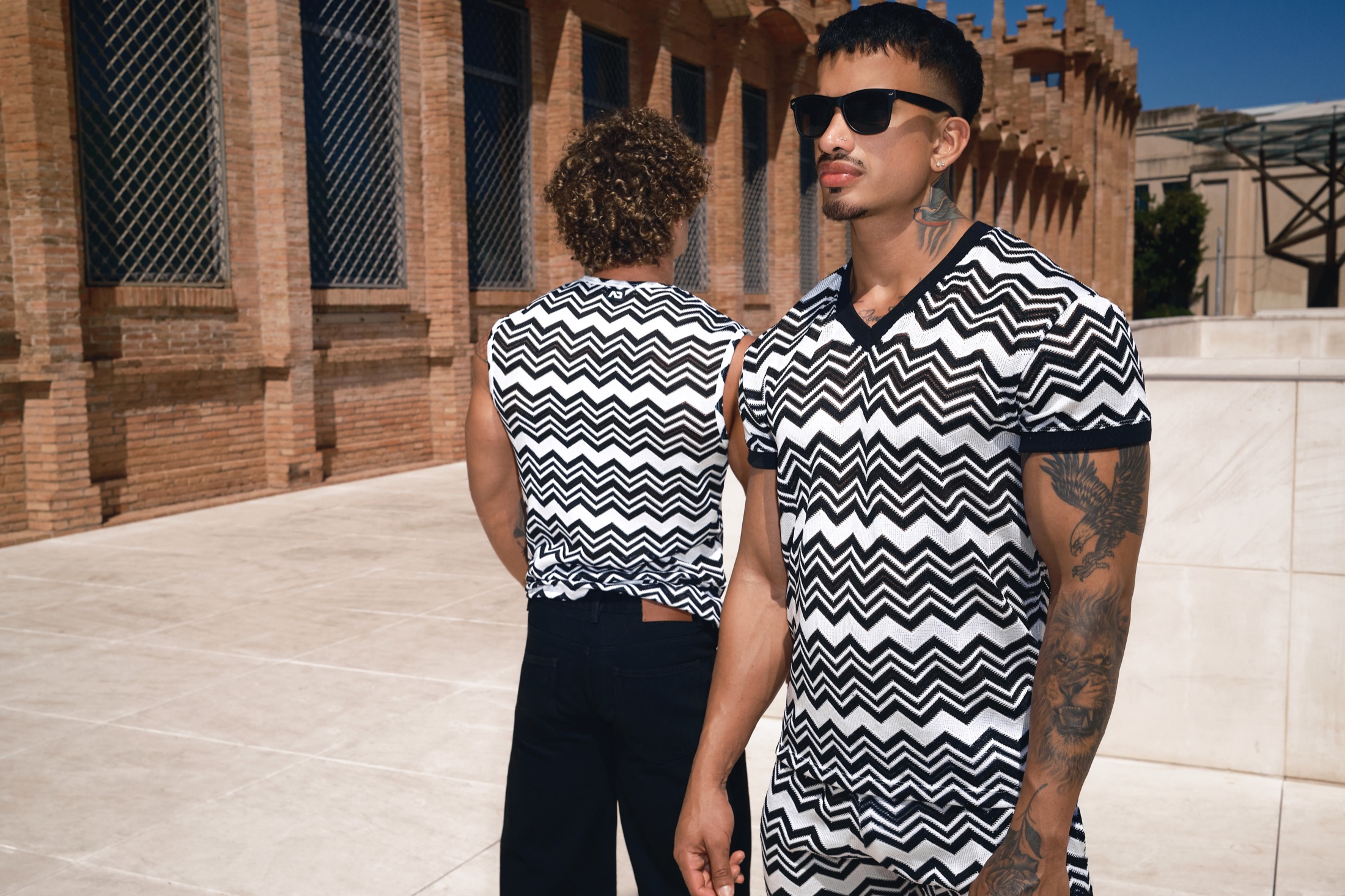
Two ADDICTED models in monochrome knitwear in a sunlit city setting
The quieter weeks after August

PRAGUE PRIDE 2026 / 3–9 AUGUST

Prague Pride 2026 ended on an island.

The festival ran from 3 to 9 August under the theme “Times Are Changing”, with nearly 200 events in six venues. The programme ranged from debates at Pride House in the French Institute to an English-friendly strand at Pride Café. On Saturday 8 August, around 45,000 people joined the parade, by the organisers' count. It set off from Wenceslas Square along Na Příkopě and Celetná, crossed Old Town Square, followed Pařížská and the embankments and went over Hlávka Bridge to Štvanice. Pride Park had moved there after thirteen years at Letná. At around nine in the evening, thousands were still on the island.

The parade is one day. Prague Pride itself began with a festival and grew into what it calls the country's largest LGBTQ+ organisation, with peer counselling, youth groups, legal advice, teacher training, support for rainbow families, workplace equality and a community centre in the Old Town. The organisation's quieter work answers different needs: a teenager seeking an anonymous conversation, a family facing paperwork, a newcomer looking for a support group. The 2027 festival is already set for 2 to 8 August, with the parade on Saturday 7 August. Some people put the date straight into the calendar, others start with the wardrobe and the ADDICTED Pride collection.

Gay Prague on an ordinary Thursday →
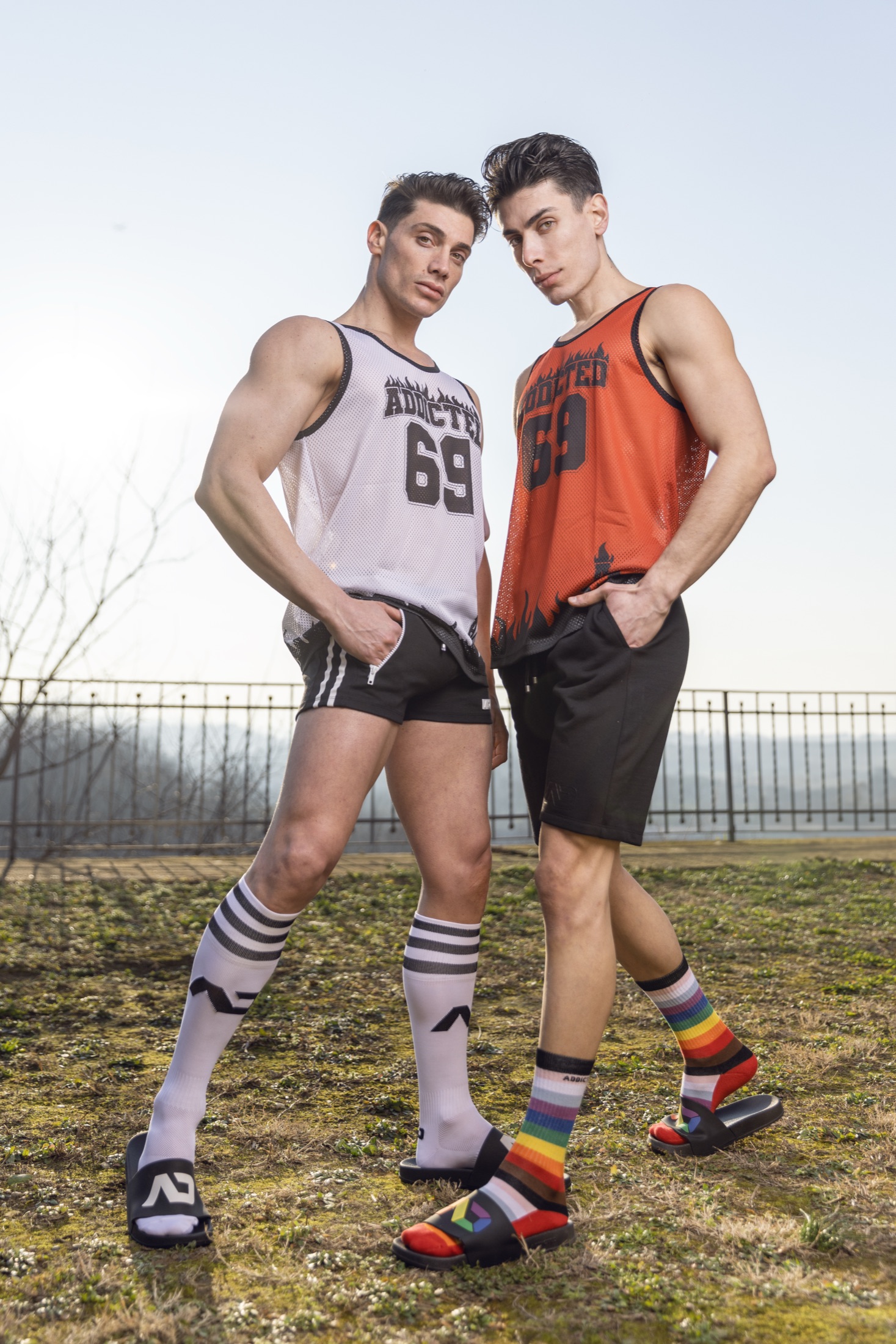
Two ADDICTED models in red and white mesh sportswear outdoors
Another city, its own rhythm

BRNO / FILM AND COMMUNITY

Not a smaller Prague. A different network.

Brno's queer life is spread through cinemas, theatres, university rooms, support groups and public squares rather than concentrated in one district. The city's most important contribution to Czech queer culture began in 2000, when the festival later known as Mezipatra first opened as Duha nad Brnem.

STUD, Brno Pride, Q-Hub and Queer MUNI connect that history to the present. Their strength lies in cooperation: film, peer support, student organising and public culture give people several ways into the community.

How queer Brno was built →

MEZIPATRA / SINCE 2000

A film festival became a national queer institution.

Mezipatra began in Brno with eight films and three theatre performances. Today its main editions run in Prague and Brno, with selected work travelling to other Czech cities.

The screen is only the starting point. Discussions, exhibitions, performance and year-round distribution turn film into a place where people can recognise a life, contest an idea and stay in the room together.

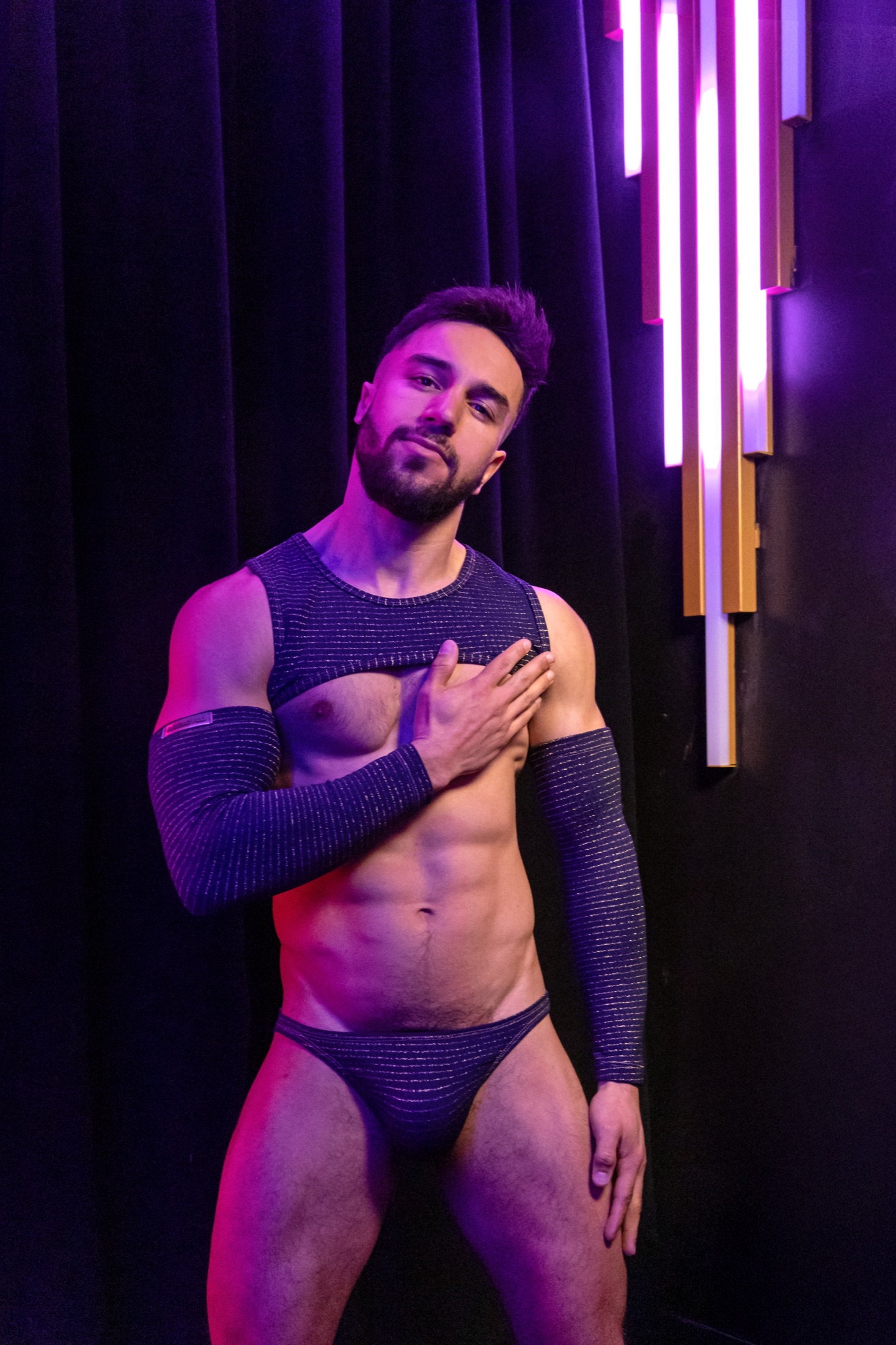
Two ADDICTED models in vivid neon clubwear against a dark background
When the lights go down

THREE LONG READS

Law, public life and the rooms between them.

These stories go beyond an event listing. They explain where Czech law stands on same-sex marriage and partnership, how Prague's festival became a year-round organisation and why queer Brno has its own history.

SUPPORT / FIRST-HAND SOURCES

The people who do the work all year.