POLAND / LOCAL EQUALITY MOVEMENTS
Equality marches in Poland belong to their own cities
Warsaw’s Parada Równości is the capital’s own institution. From Kraków and Poznań to Wrocław, Tricity and Białystok, local marches carry histories that cannot be renamed from the centre.
MANY CENTRES
A train out of Warsaw in almost any direction arrives at a different queer history.
A network, not a regional edition
It is easy to describe Poland’s queer public life as if everything radiated from Warsaw. The capital has the country’s oldest and largest equality parade, national media gather there, and political arguments often arrive framed as a contest for the centre. Yet almost anywhere outside Warsaw tells a different story. Poland’s queer movement is not one annual procession with regional editions. It is a network of local organisations, community spaces and hard-won public gatherings, each shaped by its own city.
That distinction matters. A march in Poznań carries the memory of an unlawful ban and police intervention. In Wrocław, the procession is connected to a community centre that remains open when the banners have been folded away. The Tricity march speaks in the name of an urban region rather than a single municipality. Białystok’s first march became inseparable from the violence directed at people who insisted on walking through their own city.
Calling all of them “Warsaw Pride” or “Poland Pride” does more than flatten the map. It removes the organisers, institutions and local conflicts that give each march its meaning.
Parada in Warsaw, marsze across the country
The Polish names already tell part of the story. Parada Równości (the Equality Parade) is the proper name of the Warsaw event, which has taken place since 2001. Its organisers chose a broad equality platform rather than defining it solely as a gay and lesbian event. The parade’s history belongs to the capital: it includes municipal bans in 2004 and 2005, the defiant march of 2005 and the legal case that followed.
Elsewhere, the usual name is Marsz Równości: Equality March. Poznański Marsz Równości, Wrocławski Marsz Równości and Trójmiejski Marsz Równości are not interchangeable labels. The adjective identifies the community responsible for the event. In English, “Pride” is a useful shorthand, but it should not erase that local ownership. What English speakers call Krakow Pride 2026 was the city’s 22nd Marsz Równości, organised by the Queerowy Maj association. On 23 May it set off from the National Museum, crossed the Main Market Square and went on through Kazimierz and over the Piłsudski Bridge to Rynek Podgórski. Its motto, “Nie rzucim ziemi” (“we will not abandon our land”), came from Rota by Maria Konopnicka, one of Poland’s most celebrated writers, who lived for many years in a relationship with a woman.
The structure behind the marches confirms this. The Coalition of Marching Cities brings together more than thirty independent local organisations and informal groups. They exchange legal knowledge, safety practice and organisational support. They do not operate as branches of a national Pride company. The network exists precisely because organising a march in a provincial capital, a university city or a smaller town requires local knowledge that cannot be issued from Warsaw.
From “one hundred metres of democracy” to a civic institution
Poznań offers one of the clearest examples of why history cannot be reduced to the size of the crowd. The city’s first Equality March in 2004 was blocked after roughly one hundred metres. An organiser later recalled the phrase that stuck: “one hundred metres of democracy”. In 2005, the mayor banned the march. Participants went ahead in an act of civil disobedience; police broke up the gathering and detained more than sixty people. The regional administrative court subsequently ruled that the ban had been unlawful.
That history gives the present-day march a particular democratic weight. It is not merely a summer celebration imported from a more permissive city. Walking through Poznań means returning to streets where freedom of assembly was tested in public.
The city’s queer culture also developed beyond the route itself. Grupa Stonewall, founded in 2015, built Poznań Pride Week around film screenings, theatre, concerts, drag, ballroom culture and public discussion. The Equality March forms the finale, not the whole programme. In 2015, Mayor Jacek Jaśkowiak became the first serving mayor of a Polish city to join an equality march. The gesture marked a sharp change from the municipal hostility of a decade earlier.
Poznań’s story is therefore not a simple move from repression to a finished liberal success. It is a story about activists turning a conflict over public space into a lasting place on the city’s cultural calendar. Its character comes from that combination of civic memory, contemporary queer culture and local government engagement. In 2026, twenty-one years after the ban, the City of Poznań was one of the march’s official organisers, alongside Grupa Stonewall. On 20 June, about 4,000 people walked, according to the police, and the march closed the official Poznań Pride programme.
The march is the most visible day of a year-round community
Wrocław’s Equality March began in 2009. The association Kultura Równości, active since 2014, now organises the march and WROPRIDE while also running debates, workshops, cultural events and direct support. This wider structure changes what the annual procession represents.
At its centre is Równe Miejsce, a non-commercial LGBT+ community space developed by the association and operating with municipal support. It hosts a queer library, support groups, psychological and legal assistance, book meetings and ordinary drop-in time. Someone can enter without buying a ticket, attending a party or waiting for the next public demonstration.
This is a distinctly Wrocław model of visibility. The march occupies the city centre for a few hours, but its credibility rests on the quieter work carried out during the rest of the year. It connects street-level visibility with infrastructure: rooms, appointments, volunteers and repeated meetings. The procession is not separate from community care; it is the public face of it.
On 30 May 2026, Wrocław’s 18th march set off from Plac Wolności under a one-word motto, “Jesteśmy” (“we are here”), and police put the crowd at about 8,500. Yet Wrocław also shows why attendance figures alone reveal little about the strength of a local scene. A large crowd can disappear by evening. A community centre makes it possible to return on Monday, to find advice after a hate incident, or simply to meet other people without the commercial pressure of nightlife. The march matters because that everyday network exists around it.

One march, three cities and the language of solidarity
The name Trójmiejski Marsz Równości is unusually precise. It does not call itself the Gdańsk Pride, even though the procession takes place in Gdańsk. It speaks for Tricity: the connected urban region of Gdańsk, Gdynia and Sopot. That regional identity became especially visible in 2024, when the mayors of all three cities opened the march together.
Tolerado, the organisation behind the march and Tricity Equality Days, works across Pomerania. Its activity includes support groups, legal and psychological consultation, work with local institutions, the preservation of queer heritage and intervention housing for young LGBTQIA+ people. Here again, the public march grows out of a local service network rather than arriving as a touring spectacle.
Municipal relations are part of the Tricity story. In 2017, Gdańsk mayor Paweł Adamowicz gave the march honorary patronage and walked with it. Tolerado later contributed to the city’s Equal Treatment Model and continued working with local government. The vocabulary of freedom and solidarity has unusual civic resonance in Gdańsk, but the queer movement has not inherited that language automatically. Local organisers have had to argue that solidarity also applies to LGBTQIA+ residents, families and young people seeking safety.
On 6 June 2026, about 5,000 people took part in the eleventh Tricity march, which went through central Gdańsk to the historic Imperial Shipyard on the Martwa Wisła under the motto “Równość wieje od morza!” (“equality blows in from the sea!”). The Tricity march is regional in more than branding. It links neighbouring municipalities, a Pomeranian support network and a specifically Gdańsk debate about who is included in the city’s democratic self-image.
Visibility when the street is not neutral
Białystok’s first Equality March, organised by Tęczowy Białystok in July 2019, cannot be described in the same register as a long-established metropolitan festival. Participants faced physical and verbal attacks, projectiles and repeated attempts to block the legal assembly. The Polish Commissioner for Human Rights recorded police action, detentions and fines connected to the attacks. The mayor of Białystok publicly condemned the violence and said that dozens of people had been injured.
The organisers had framed the march around a shared future and equal treatment, extending its demands beyond LGBTQIA+ people to other minorities, disabled people and older residents. That local coalition-building is important. In Podlasie, a region with its own religious, ethnic and political tensions, the claim to public space was also a claim that Białystok belonged to more people than its loudest gatekeepers allowed.
The violence of 2019 should not become the city’s only queer story. Treating Białystok as a permanent symbol of intolerance would erase the people who organised, walked, offered help and returned to local work afterwards. At the same time, turning the march into a story of carefree Pride would be equally dishonest. What matters is that the street was contested and local people entered it anyway.
No two streets carry the same memory
Poland’s equality marches share national demands: legal recognition for couples and families, protection from discrimination and violence, safe schools and healthcare, and the right to live openly. What differs is the civic ground beneath those demands.
In one city, the decisive memory may be an illegal ban. In another, it may be the opening of a permanent community centre. Elsewhere, the key relationship is regional cooperation or the first successful claim to a street previously treated as unavailable. Local government can appear as opponent, cautious partner or active supporter. Churches, universities, cultural institutions, football cultures and independent arts scenes shape the atmosphere differently from place to place.
Warsaw remains vital. Its Parada Równości has national reach and a history that changed the legal conversation around freedom of assembly. But national visibility is not national ownership. The most accurate way to understand queer Poland is to follow the local names, recognise who organised each march and ask what had to change in that city for people to walk together.
There is no single “Poland Pride”. There is a country learning equality street by street, and no two streets carry exactly the same memory.
Each march keeps its local name.
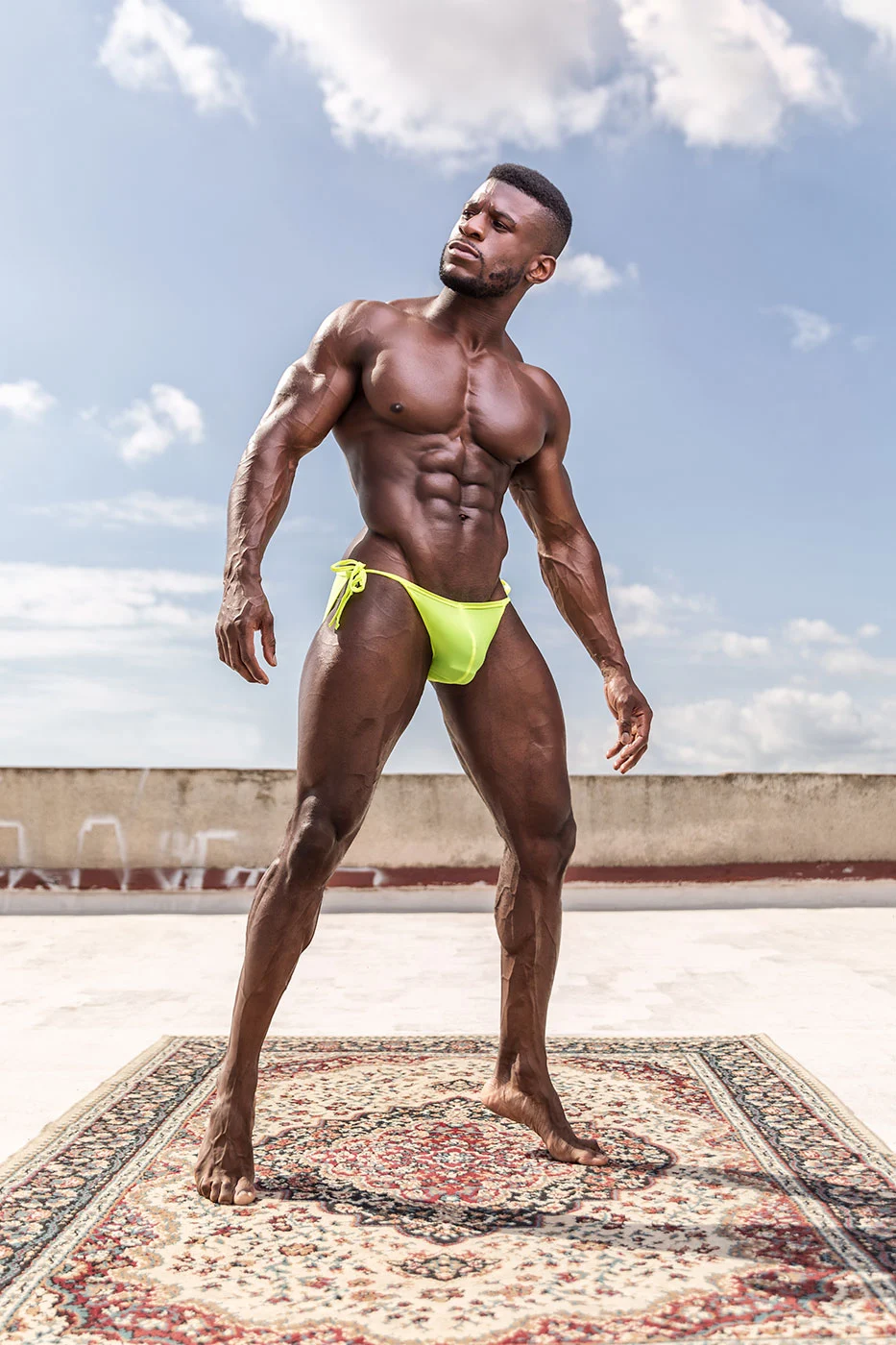
The route, the organiser and the civic history change from city to city. What stays the same is the wish to be seen, whether behind a home-made banner or in a rainbow tank top from the ADDICTED Pride collection.