WROPRIDE
Kultura Równości combines the annual march with an LGBT+ community centre and year-round support.
WARSAW PRIDE 2026 / QUEER POLAND
On Saturday 13 June 2026, Warsaw Pride, the Parada Równości, set off for the 25th time beside the Palace of Culture and Science. Thousands of people walked under the motto “25 years of pride and rebellion”. Five weeks later, the president vetoed the cohabitation law that parliament had passed for unmarried couples, same-sex couples included. In the same year, courts required Poland to recognise some same-sex marriages concluded elsewhere in the EU, and equality marches filled streets far beyond Warsaw.
From the parade to the veto ↓
THE NATIONAL CONTRADICTION
In the 2026 Ipsos survey, 62 per cent of Polish respondents supported a legal route for same-sex couples, either marriage or another form of formal recognition. Before the parade set off, Sejm Speaker Włodzimierz Czarzasty urged President Karol Nawrocki to sign the law that would create registered cohabitation agreements and practical rights around inheritance, healthcare, tax and housing. On 17 July, the president vetoed it.
That gap between public opinion, parliament and presidential power is the clearest way to read queer Poland in 2026. The country is not standing still. Change arrives through courts, town halls, civil organisations and the streets, while national family law stays behind.
THE CASE FILE / 2023–2026
The European Court of Human Rights ruled that Poland had failed to provide a legal framework recognising and protecting same-sex couples.
The Court of Justice of the European Union held that Poland could not refuse recognition of a same-sex marriage lawfully concluded in another member state when EU free-movement rights were engaged.
The Supreme Administrative Court ordered the Warsaw registry office to transcribe the German marriage certificate at issue. Since 23 August 2026, new forms have let registry offices across Poland transcribe same-sex marriages concluded abroad.
The Sejm passed a law allowing two adults to register a cohabitation agreement. The Senate accepted it without amendments in June.
On 17 September, the Sejm’s attempt to override the veto fell 27 votes short, so the proposed domestic framework did not enter into force. Recognition obtained through European and Polish court rulings remains narrower than an equal national relationship law.
support marriage or another legal form for same-sex couples
are comfortable with LGBT people showing affection in public
of Polish LGBTIQ respondents often or always avoid holding hands
WARSAW / PUBLIC MEMORY
Warsaw’s Parada Równości occupies the political centre of the capital. In 2026 it left the Equality Village in Świętokrzyski Park, walked along Świętokrzyska to Krakowskie Przedmieście, read its demands outside the Presidential Palace and came back through Miodowa, Senatorska, Plac Bankowy and Marszałkowska. The city’s queer infrastructure, though, is built throughout the year. Lambda Warszawa provides support and preserves the country’s largest LGBTQI+ archive. KPH pursues national advocacy and court cases. Cultural spaces, ballroom houses and migrant-led groups add histories that cannot be reduced to one June afternoon.
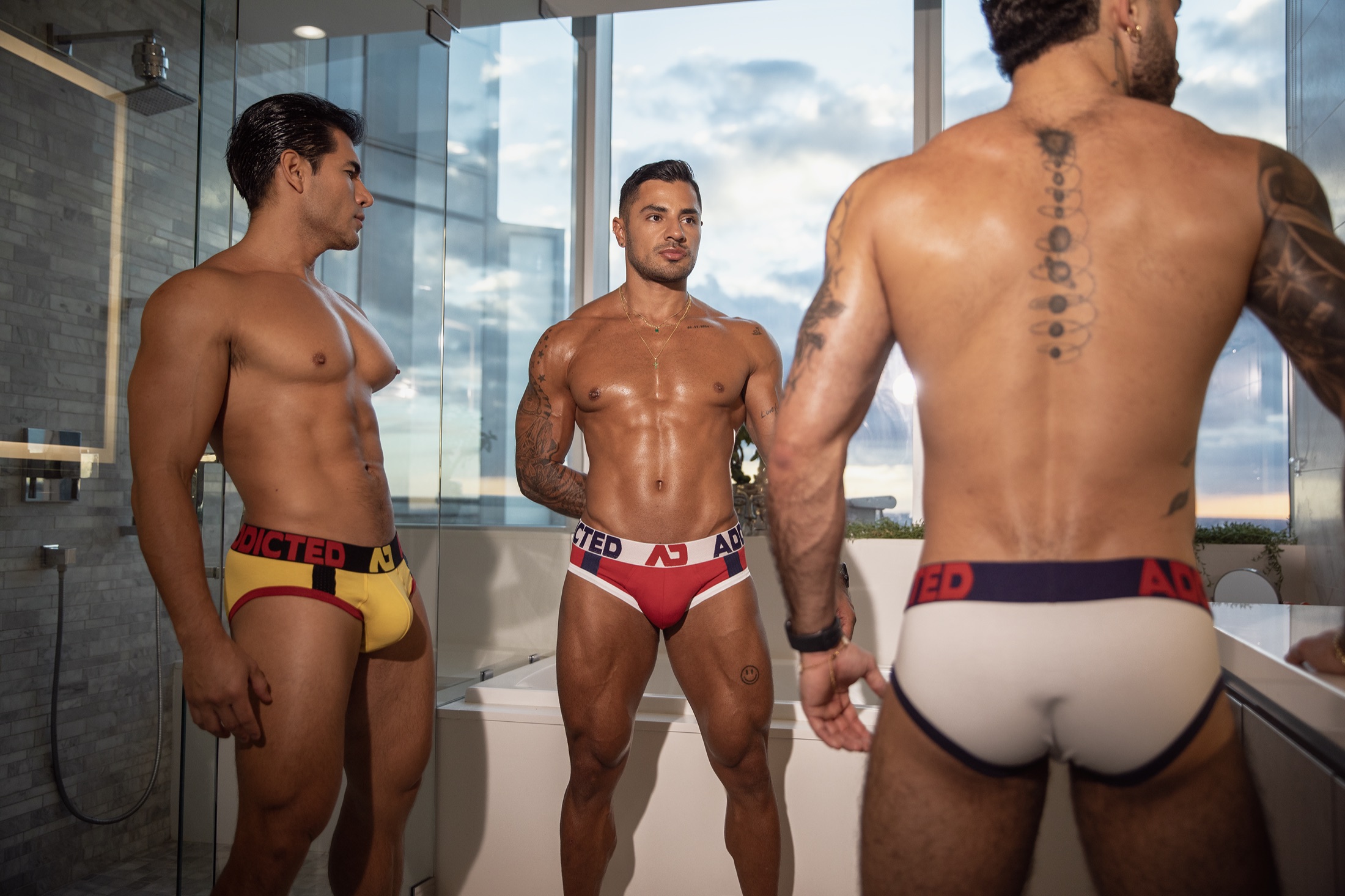
Warsaw matters because protest, care, memory and nightlife sit side by side. Its queer story is not simply that the city hosts Poland’s largest equality parade. Organisations have spent decades building the conditions in which visibility can outlast one Saturday in June. Still, parade day is worth dressing for, whether that means a flag worn as a cape or a rainbow tank top from the ADDICTED Pride collection.
Gay Warsaw after the march →NOT ONE NATIONAL PRIDE
Parada Równości is Warsaw’s proper event name. Elsewhere, organisers usually use Marsz Równości, often inside a wider local programme. The distinction matters because the organisations, histories and demands are local.
Kultura Równości combines the annual march with an LGBT+ community centre and year-round support.
The city’s equality march sits inside a month of cultural, civic and community programming. In 2026, the 22nd march set off from the National Museum on 23 May.
Local organising connects public visibility with social support, culture and a distinct Pride Week tradition.

Visibility can fill a street before it changes a statute.
Poland / 2026
SUPPORT / FIRST-HAND SOURCES