GAY WARSAW / ALL YEAR ROUND
Gay Warsaw after the march, and how queer life became part of the city
The Equality Parade still carries demands that Poland has not answered. But gay Warsaw is also built in archives, support rooms, cinemas, performance spaces and municipal decisions that matter after the flags come down.

TWO DATES
In Warsaw, queer visibility has become large, confident and increasingly institutional. At national level, basic recognition can still be stopped with a signature.
A public celebration and a political refusal
On 13 June 2026, Parada Równości returned to central Warsaw for its twenty-fifth anniversary. The route began beside the Palace of Culture and Science and moved towards Krakowskie Przedmieście, where the official demands were read outside the Presidential Palace. There was music and celebration, but the message stayed political: recognition for same-sex couples, protection from hate speech and hate crime, workable procedures for trans people, modern education and a public realm that does not push minorities to its edges.
Just over a month later, President Karol Nawrocki vetoed legislation that would have allowed unmarried couples, including same-sex couples, to formalise parts of their relationship. The proposed law covered practical matters such as access to medical information, inheritance, tax, housing and decisions about burial. It was not marriage equality. Even that limited settlement failed, and in September the Sejm fell short of the votes it needed to override the veto.
Those two dates, 13 June and 17 July, describe the tension at the heart of gay Warsaw in 2026.
The march is written into the city’s political memory
Parada Równości has never been only a party moving through Warsaw. It began in 2001 as a small demonstration. In 2005, the city’s then mayor, Lech Kaczyński, blocked the march. People walked anyway, and the dispute eventually reached the European Court of Human Rights. In 2007, the Court found that Poland had violated freedom of assembly, the right to an effective remedy and the prohibition of discrimination.
That history changes the meaning of the present-day parade. When tens of thousands of people fill streets that a mayor once tried to close to them, the scale is more than a spectacle. It is evidence of civic ground won and defended.
The 2026 edition, the 25th, was organised by Fundacja Parada Równości, formerly known as Wolontariat Równości, under the slogan “25 lat dumy i buntu” (“25 years of pride and rebellion”).
What Warsaw can change, and where its power ends
Warsaw’s current relationship with its queer residents did not happen by accident. In 2019, Mayor Rafał Trzaskowski signed the Warsaw LGBT+ Declaration. It committed the city to work in areas it can influence directly: safety, education, culture, sport, public administration and support services. It also proposed mayoral patronage for Parada Równości and closer cooperation with community organisations. Trzaskowski was elected to a second term in 2024.
A declaration is not the same as complete delivery, and municipal branding should never be mistaken for equality in everyday life. Yet local government decisions can produce material differences. Warsaw lists psychological and legal support for LGBTQ+ people in its public support system and has funded anti-discrimination work.
Its registry office also became part of a national legal turning point in May 2026, when Warsaw completed Poland’s first transcription of a same-sex marriage concluded abroad, following Polish and European court decisions. Since 23 August, new forms have let registry offices across the country do the same. None of this introduced marriage equality in Poland. Warsaw could carry out the court ruling, but it could not create a national marriage law.
The quieter work between parades
The strongest proof of an established community is not the size of its annual march. It is whether people can find help on an ordinary Tuesday.
Lambda Warszawa has been providing support and organising for almost three decades. Its work includes a helpline, psychological and legal counselling, support and meeting groups, anti-discrimination assistance and an intervention hostel for LGBTQ+ adults experiencing homelessness. These are not secondary services beside the city’s more visible cultural life. They are part of the infrastructure that allows a community to survive pressure, family rejection, violence or housing crisis.
This work also keeps the city’s queer story from shrinking into a list of gay bars in Warsaw and late club nights for the young and well-off. A helpline, a legal appointment or a confidential support group reaches a different part of the city than a dance floor. Both matter, and they answer different needs. An honest account of the scene holds pleasure and vulnerability together.
Lambda’s role also connects care with memory. The organisation created the archive now housed by QueerMuzeum Warszawa, turning decades of leaflets, magazines, photographs, letters and personal records into a public resource.
A queer history with a street-facing window
QueerMuzeum opened on Marszałkowska Street in December 2024. It is small, with a ground-floor exhibition space of under sixty square metres, but its position is deliberate. The museum faces the street in the centre of Warsaw. Queer history is not hidden in a specialist archive on the edge of town; passers-by can see an institution devoted to it.
The museum’s permanent timeline stretches from 1559 to the early twenty-first century. Upstairs, the Lambda Warszawa Archive holds more than 100,000 items dated from 1906 to 2024, alongside a library, meeting space and the editorial office of QueerStoria. The collection gives weight to something public debate often treats as new or foreign: non-heteronormative lives have a long Polish history, even when official institutions failed to record them.
Exhibitions, guided visits, discussions and oral histories create occasions for people to meet around that past in the present. Pride may occupy the city centre for a day. The museum keeps a queer address there all year.
The afterlife of the club
Warsaw’s queer culture has long ignored clean borders between art and nightlife. Le Madame, the influential club-café that closed in 2006, functioned as a dance floor, theatre, gallery, debate venue and meeting place for LGBTQ+ and other progressive groups. When it faced eviction, the occupation of the venue showed how quickly a club could reveal itself as civic infrastructure.
That hybrid tradition continues in different forms. Kem, a Warsaw queer-feminist collective, works across choreography, performance, sound, education, activism, clubbing and community building. The combination allows questions about bodies, intimacy and power to be tested through movement, sound and collective experience rather than confined to a panel discussion.
Cinema creates another shared room. The 2026 LGBT+ Film Festival ran at Kinoteka in the Palace of Culture and Science from 10 to 18 April, combining screenings with drag, ballroom and performance. A major cinema inside the city’s most recognisable building gives queer stories an audience in a place associated with mainstream public culture.
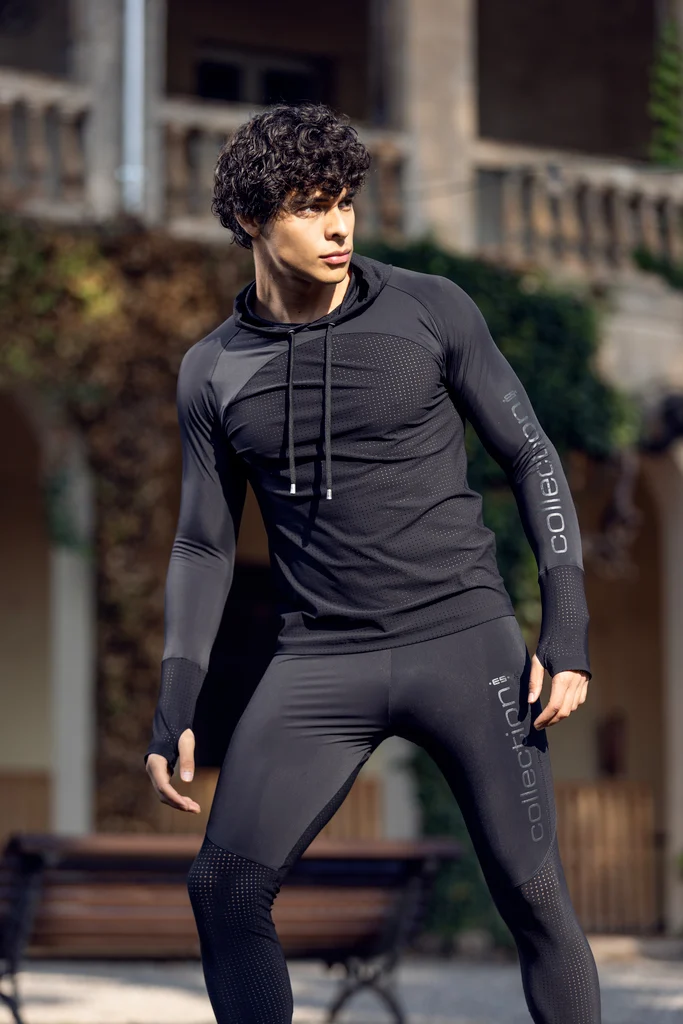
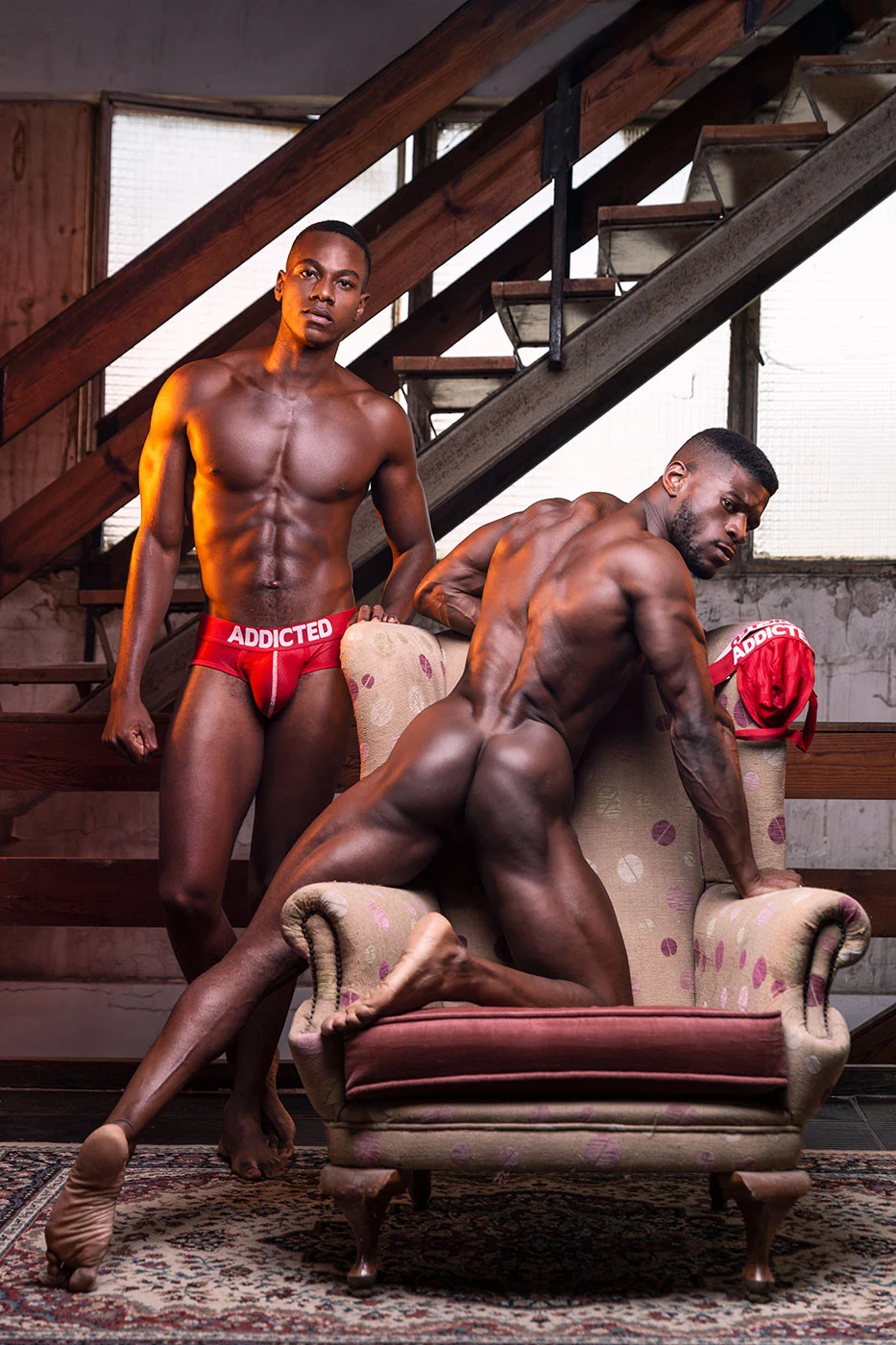
A museum archive, a support group, an experimental performance and a packed dance floor serve different people, who sometimes disagree about politics, access or representation. That friction is a sign of a mature community, not a failure of cohesion. Queer Warsaw is no longer a single room trying to accommodate everyone. And some nights still call for dressing up: mesh, a little shine, perhaps a harness from the ADDICTED party collection, and a long wait at the cloakroom.
Visibility is a beginning, not a verdict
It would be easy to see Warsaw in June and conclude that the struggle is over. The city has a large Equality Parade, an openly supportive mayor, a queer museum, established support organisations and a cultural programme that reaches prominent institutions. Those things are substantial.
They do not guarantee that every queer person feels safe holding a partner’s hand, finds family acceptance or can rely on equal treatment outside the capital. They do not replace national protection from hate or give couples a complete legal framework. The July 2026 veto showed how quickly political power can separate public visibility from private security.
What Warsaw offers is not a finished model of equality. It is a city where queer life has accumulated enough memory, care, art and civic presence to resist being treated as temporary. The parade makes that presence impossible to overlook. The institutions built around it make it harder to erase when the streets are quiet again.
The city remains visible after the march.
The parade occupies the centre for a day. Warsaw’s archives, support organisations and cultural spaces keep queer life present through the rest of the year.