often or always avoid holding hands with a same-sex partner
ZAGREB PRIDE 2026 / QUEER CROATIA
Zagreb Pride 2026, twenty-five marches on
On Saturday 6 June 2026, Zagreb Pride walked for the twenty-fifth time, from Zrinjevac park through Ban Jelačić Square and along Ilica to Franjo Tuđman Square. Its slogan, “Korak po korak, iskorak!”, means “step by step, a step forward”. Queer Croatia has come a long way since the first march. Same-sex couples have substantial legal protection, and the courts have opened family rights that legislation kept out of reach. Yet most LGBTIQ people surveyed still avoid holding hands in public. The country’s queer story lives in that distance.
From Zagreb Pride to the coast ↓LAW / DAILY LIFE
Rights can be written down before they feel ordinary.
Life partnerships have been part of Croatian family law since 2014. Later court decisions required equal access to foster care and adoption procedures for same-sex partners. Those changes matter in homes, hospitals and public offices.
They have not removed the calculation that comes before an ordinary public gesture. The 2024 country data from the EU Agency for Fundamental Rights (FRA) show how often legal recognition and social ease still part company.
avoid certain places for fear of being assaulted
describe themselves as fairly or very open about being LGBTIQ
THE RIGHTS LEDGER
A parallel family status. A series of court-made advances.
Life partnership becomes family law
Two people of the same sex can enter into a life partnership before a registrar. The framework covers property, inheritance, pensions, tax, health care and other practical parts of family life.
Foster care cannot exclude life partners
The Constitutional Court required public authorities to apply foster-care law without discriminating against same-sex life partners.
The adoption assessment opens
The High Administrative Court confirmed that life partners cannot be turned away from the prospective-adopter assessment solely because of sexual orientation or family status.
A family already raising a child moves forward
A final Zagreb court judgment required the authorities to continue a life partner’s application to adopt her partner’s child. It did not decide the adoption itself; the child’s welfare remains the test. In June the same court ruled the same way in an almost identical case, and this time the ministry appealed.
ZAGREB / ALL YEAR
The march made people visible. The work between marches built a city.
Croatia’s first Pride march brought roughly 300 people into Zagreb’s streets in 2002, under threat and attack. Twenty-four years later, the mayor, Tomislav Tomašević, walked in the twenty-fifth. What lies between is not a straight line from danger to acceptance. It is the record of people who kept organising.
Today’s queer Zagreb also lives in legal support, family networks, film screenings, performance, archives and municipal policy. Zagreb Pride, Iskorak, Rainbow Families Croatia and Domino do different work, and that difference gives the city depth beyond one June procession. The procession is still a day to dress for, in a rainbow flag knotted round the shoulders, in glitter or in a tank top from the ADDICTED Pride collection.
Gay Zagreb after the march →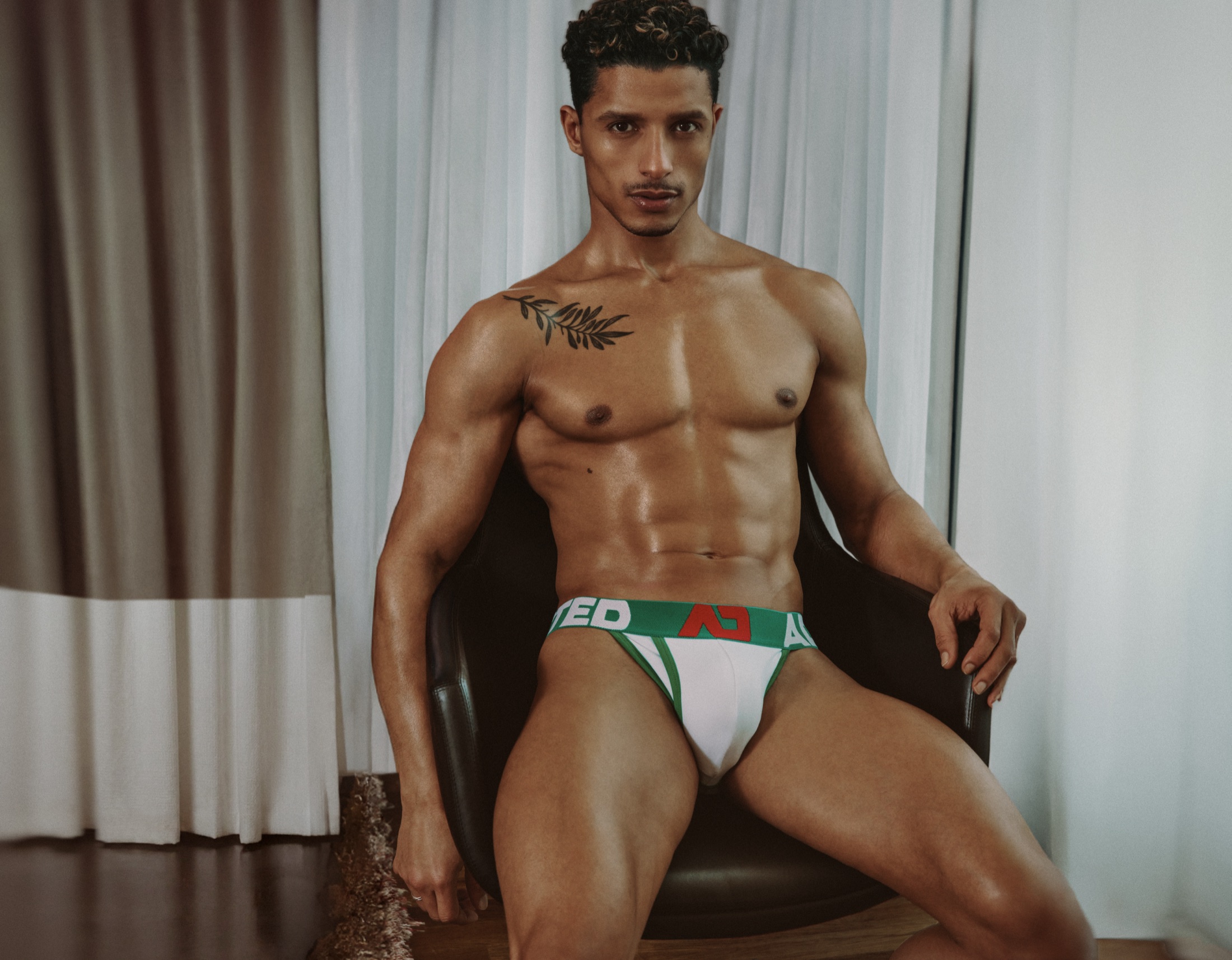
THE ADRIATIC / TWO CITIES
Summer changes the crowd. Community work outlasts it.
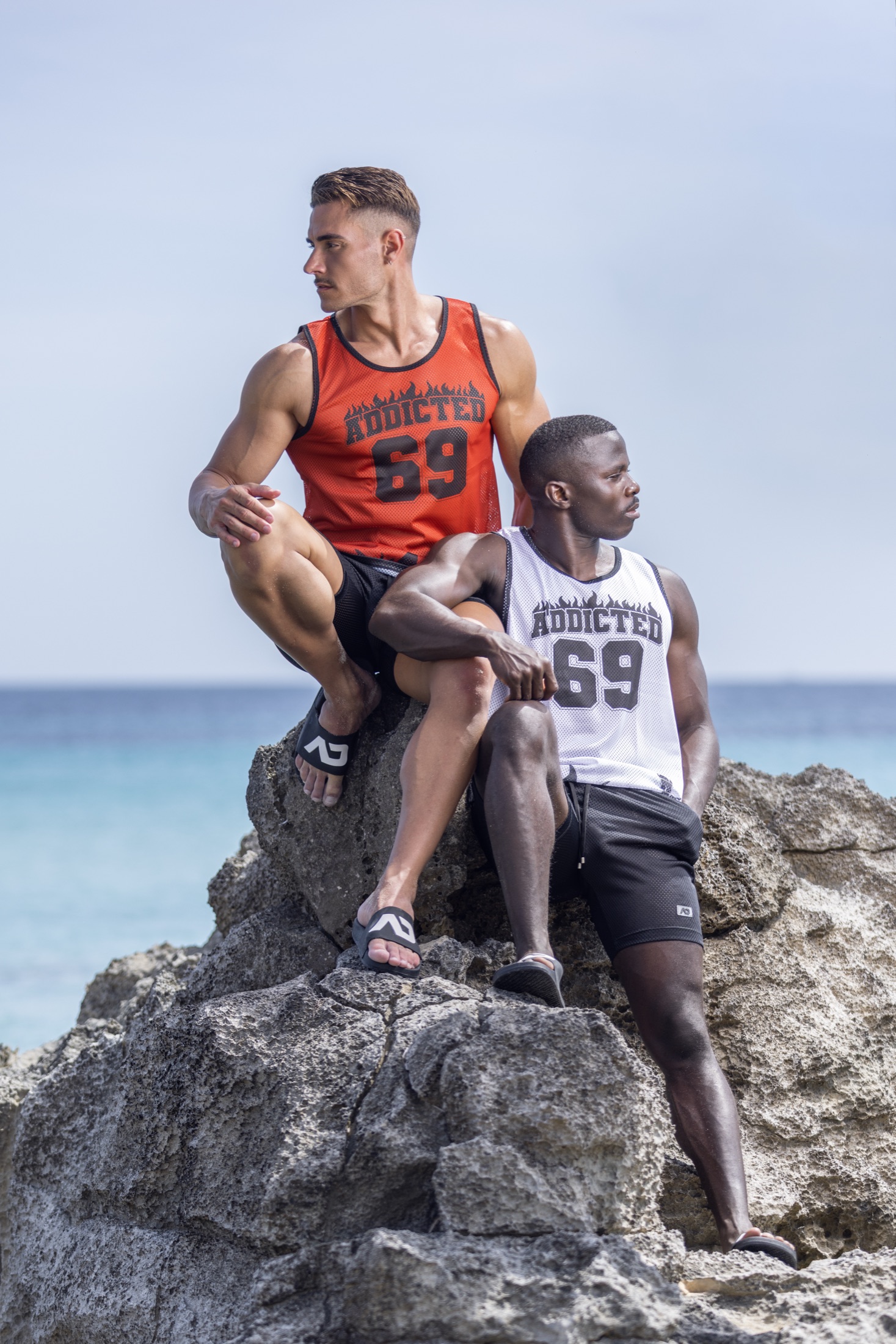
Split and Rijeka share a coastline, not one queer story. On 27 June 2026, the fifteenth Split Pride set off from Đardin under the slogan “Nije me mater rodila da mučin”, roughly “I wasn’t born to keep quiet”. Fifteen years after a violent first Pride, the city’s organisers also keep a permanent community centre open. Rijeka’s LORI and Smoqua connect support, education and queer-feminist culture to the city’s year-round identity.
SPLIT
Freedom should not depend on the season
The international summer crowd can make the old town feel easier. Local research also records discrimination, self-censorship and the wish to leave. LGBT Centre Split keeps the city’s queer life going after the visitors go home.
RIJEKA
A port city working on a longer clock
LORI has organised in Rijeka since 2000. Support services, work with young people and schools, and the Smoqua festival show a form of visibility rooted in local culture rather than a holiday calendar.
The Adriatic is a season. Community is the whole year.
Croatia / 2026
COMMUNITY / FIVE ORGANISATIONS